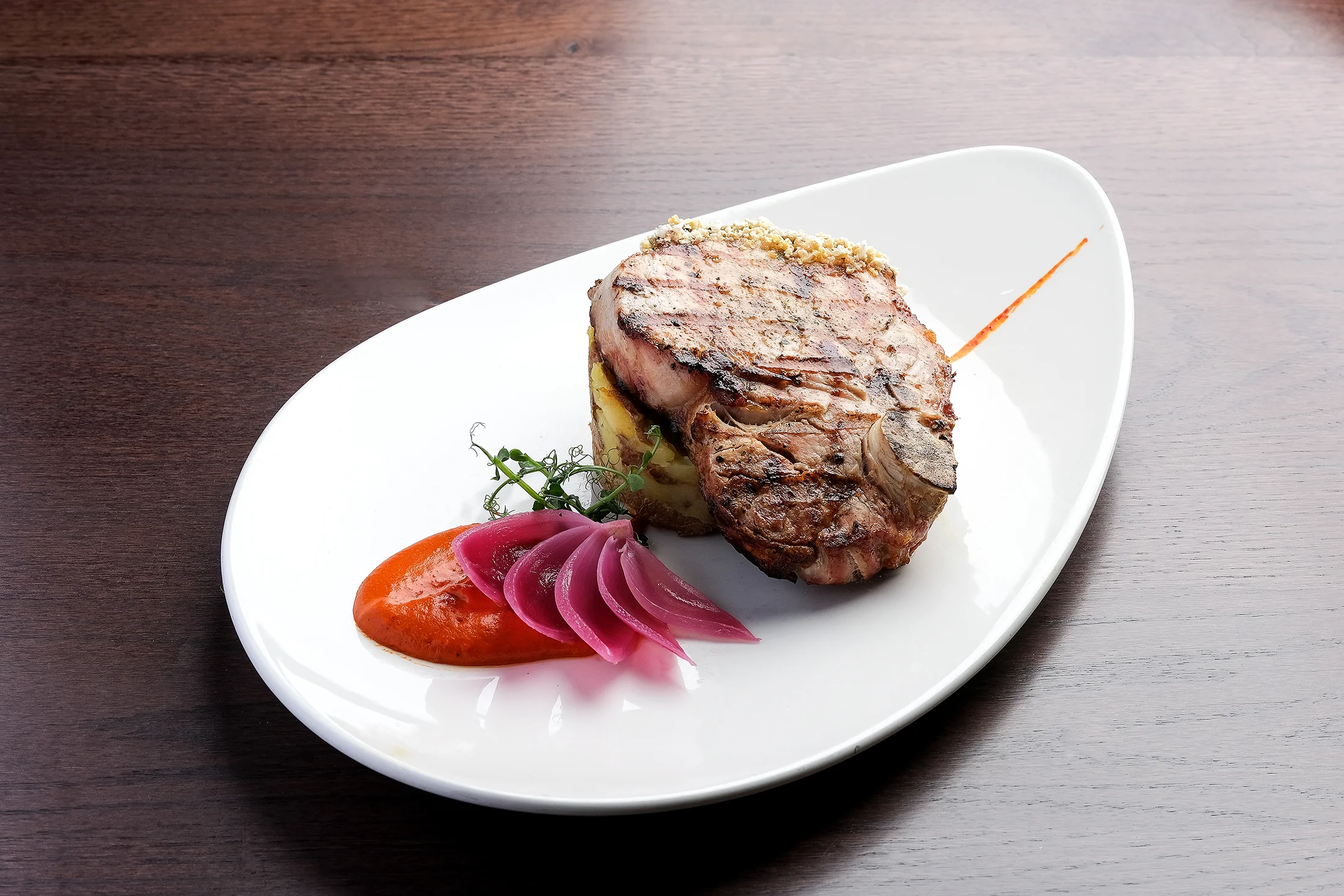
The Krškopolje Pig – An Indigenous Slovenian Breed
The Slovenian Animal Husbandry Act defines the Krškopolje pig as an indigenous breed. It has been documented in images since at least the mid-19th century. Despite various pressures, farmers refused to give up breeding Krškopolje pigs, as they were of exceptional importance for self-sufficiency.
High-quality fresh and smoked meat, bacon, abundant lard, cracklings, blood sausages, sausages and aspic; the use of pig intestines for sausage casings; leather processed into footwear; dried pig bladder used as a tobacco pouch; and pig bristles made into brushes all placed the modest, adaptable, and resilient Krškopolje pig among the most important farm animals. The pig was also the only farm animal for which food was specially cooked in pig kitchens.
Pig farming was an important economic activity in the Posavje region, essential for self-sufficiency and survival. During major holidays, pig slaughter was traditionally held, and the table was richly laden. Even today, the pig remains a symbol of abundance, wealth, luck, and contentment.
The text is taken from the publication From the Sow to the Votive Pig, from River Routes to the Dough Bird by Dr Ivanka Počkar, ethnologist at the Posavje Museum Brežice and recipient of the Murko Award.